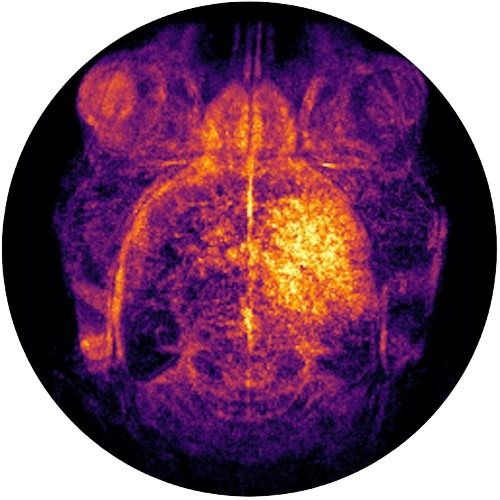
Development of a targeted thrombolysis and anticoagulation approach to improve recanalization in stroke patients
Funded by Agence Nationale de la Recherche
Context and challenges
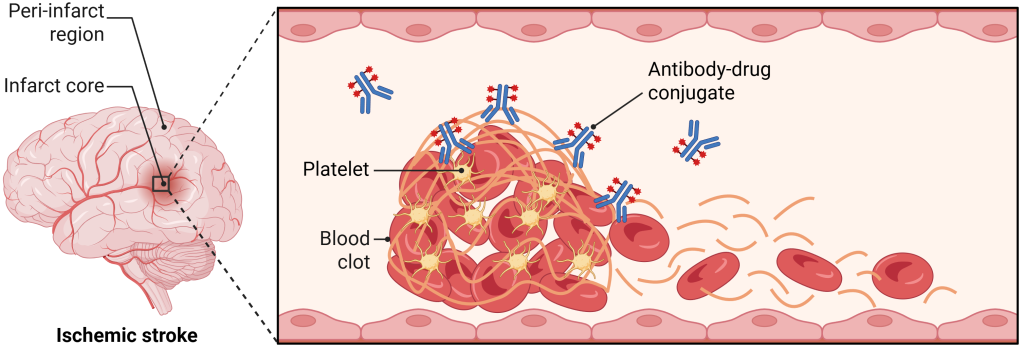
Ischemic stroke results from reduced blood flow to the brain due to a clot obstructing a cerebral artery. In France, it is the third leading cause of death and the leading cause of adult disability. The standard treatment (rtPA thrombolysis) has limited efficacy due to a narrow therapeutic window, low recanalization rates, and potential adverse effects. Although combining rtPA with anticoagulants can improve recanalization, it is clinically unsafe due to a high risk of hemorrhage.
Objective
This project aims to develop antibody-drug conjugates that specifically target thrombi to deliver anticoagulant and/or thrombolytic agents locally. This targeted approach is expected to improve recanalization while minimizing systemic toxicity.
Project coordinator
Catherine Strassel, PhD (U1255)
Local project partners
Sara Martinez de Lizarrondo, PhD (U1237)
Related links
Monitoring in vivo inflammatory events with immuno-MRI
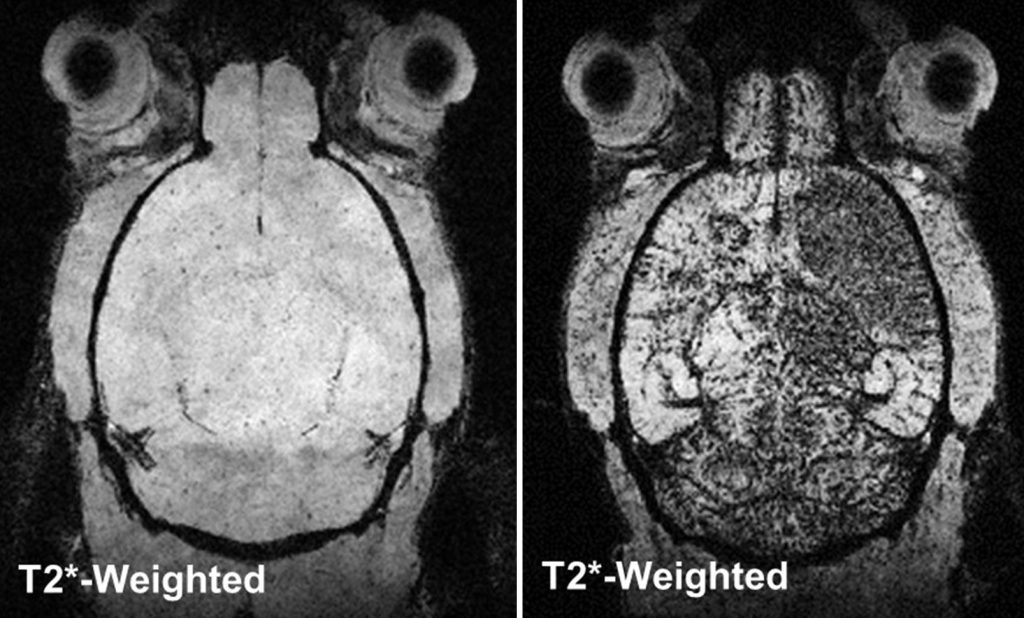
Since thrombo-inflammation is critical in processes controlling recanalization and reperfusion rate, we follow in vivo inflammatory events with immuno-MRI, after injection of control particles targeting IgG (left), and after injection of VCAM-1-targeted particles (right).
Acknowledgment to ANR
This project was funded by the French National Research Agency (ANR).
